

What is CLU and Why Do You Need It?
As per the Rajasthan Land Revenue Act, land marked as agricultural cannot be utilized for any permanent residential building without government approval.
- Avoid Penalties: Protect Yourself from Notices of Local Authority “Encroachment/ Illegal Construction.”
- Electricity & Water: CLU is required for the application of a permanent connection for your villa.
- Resale Value: When the CLU status of a property is cleared, it is marketed at a much higher price. It is also much easier to sell such a property.

The CLU Timeline: What to Expect
We strive to achieve the earliest possible turnaround time through our “First Time Right” documentation:
- Phase 1: Application (Weeks 1-2): Document collection and submission on the Alwar/Rajasthan government revenue department portal
- Phase 2: Inspection (Weeks 3-6)Site visit by the Patwari/Girdawar. Preparing
- Phase 3: Final Approval (Weeks 7-10): The award of the official CLU certificate and the updating of the Land Records.
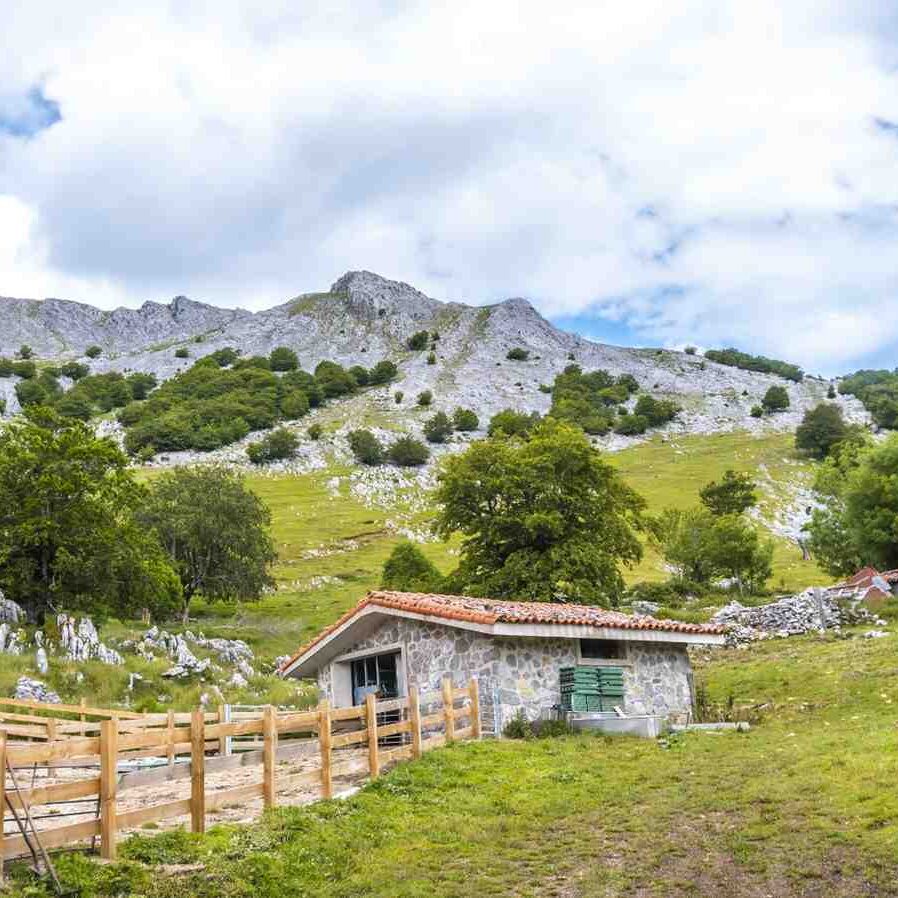
Naugaon Farms Gallery



Did You Know?
Haryana's Section 9A ensures that agricultural landowners can partition their property while maintaining farming rights, promoting sustainability.
Section 9(9) in Haryana is your gateway to constructing a legal farmhouse, all while adhering to zoning norms.
Rajasthan’s Tenancy Act enables even non-agriculturists to own farmhouses, provided they follow the legal approval process.
Haryana’s 90A agreement simplifies land-use conversion, making it easier to turn agricultural land into residential or farmhouse zones.
Rajasthan requires Form 1A clearance for farmhouse construction on agricultural land, ensuring compliance with state laws.
Haryana’s Section 9A promotes fair land divisions, ensuring equitable agricultural practices for all farmers.
In Rajasthan, land laws prioritize sustainable agricultural practices, even for farmhouse construction projects.
Haryana’s 90A policies streamline land-use changes, ensuring your farmhouse dreams align with legal requirements.
Rajasthan’s agricultural land laws create a balance between traditional farming and modern residential needs.
Both Haryana and Rajasthan encourage agricultural innovation, making land investments future-ready.
Client's Review
Buyer's Guide: Invest with Confidence
Frequently Asked Questions
What exactly does an expert CLU Consultation cover for land buyers in Delhi NCR?
What exactly does an expert CLU Consultation cover for land buyers in Delhi NCR?
Our professional CLU Consultations provide a comprehensive roadmap for legally converting agricultural land into residential farmhouse or commercial zoning. We handle the entire lifecycle, including checking regional master plan compliance, verifying sector-specific buffer zones, structuring the application documentation, and navigating town planning department standards to eliminate legal rejections.
Why is a formal CLU approval mandatory before constructing a luxury farmhouse?
Why is a formal CLU approval mandatory before constructing a luxury farmhouse?
By law, raw land is designated strictly for crop cultivation. Building permanent residential structures, boundary walls, or recreational villas without a formal Change of Land Use clearance is a major legal violation. Booking professional CLU Consultations ensures your luxury estate design complies with official ground-coverage limits, local height restrictions, and rural development bylaws.
Which critical land documents are audited during your CLU Consultations?
Which critical land documents are audited during your CLU Consultations?
We conduct a thorough preliminary legal audit of your property files. Our targeted CLU Consultations scrutinize the updated Jamabandi (land records), dynamic Mutation letters (Dakhil-Kharij), certified Aks-Shajra (village map traces), demarcation reports, and comprehensive 30-year non-encumbrance certificates to guarantee your parcel qualifies for structural conversion approvals.
How does proximity to major expressways affect the processing of a CLU application?
How does proximity to major expressways affect the processing of a CLU application?
Lands near major highways like the Delhi-Mumbai Expressway or KMP corridor fall under specialized controlled areas with rigid developmental rules. During our strategic CLU Consultations, we factor in mandatory road-widening margins, infrastructure setback lines, and restricted green belts to ensure your development blueprint is safely approved without bureaucratic or legal delays.
What is the typical legal processing timeline for obtaining a successful CLU order?
What is the typical legal processing timeline for obtaining a successful CLU order?
The operational timeline generally spans 90 to 120 days, depending on localized department backlogs and complete documentation clarity. Our tailored CLU Consultations streamline this process significantly by resolving potential land title mismatches and technical layout issues before the official government file submission is made.
Can non-farmers or corporate investors apply for land conversion assistance?
Can non-farmers or corporate investors apply for land conversion assistance?
Yes, urban investors, business owners, and corporate entities can safely secure conversion permits. Our premium CLU Consultations cater to corporate clients seeking to establish managed farm communities, eco-resorts, or private countryside estates, ensuring frictionless asset scaling under current zoning laws.