
Agricultural land for sale in India is increasingly attracting investment from investors, farmers, and those seeking long-term property. Due to the growth of urban cities and the increase in land prices, a lot of buyers are venturing into other rural areas where the farmlands are still relatively cheap. However, to buy a farmland, one has to think carefully and understand the rules of the law, the land price, and the situation in the country. This guide outlines the key considerations a buyer should weigh before purchasing farmland, along with information on farmland in India, investment trends, and prices in various regions.
Table of contents
- 𝗞𝗻𝗼𝘄𝗶𝗻𝗴 𝘁𝗵𝗲 𝗔𝗴𝗿𝗶𝗰𝘂𝗹𝘁𝘂𝗿𝗮𝗹 𝗟𝗮𝗻𝗱 𝗠𝗮𝗿𝗸𝗲𝘁 𝗶𝗻 𝗜𝗻𝗱𝗶𝗮.
- 𝗞𝗲𝘆 𝗙𝗮𝗰𝘁𝗼𝗿𝘀 𝘁𝗼 𝗖𝗵𝗲𝗰𝗸 𝗕𝗲𝗳𝗼𝗿𝗲 𝗕𝘂𝘆𝗶𝗻𝗴 𝗙𝗮𝗿𝗺𝗹𝗮𝗻𝗱
- 𝗔𝗴𝗿𝗶𝗰𝘂𝗹𝘁𝘂𝗿𝗮𝗹 𝗟𝗮𝗻𝗱 𝗣𝗿𝗶𝗰𝗶𝗻𝗴 𝗶𝗻 𝗜𝗻𝗱𝗶𝗮.
- 𝗣𝗼𝗽𝘂𝗹𝗮𝗿 𝗥𝗲𝗴𝗶𝗼𝗻𝘀 𝘄𝗶𝘁𝗵 𝗙𝗮𝗿𝗺 𝗟𝗮𝗻𝗱 𝗳𝗼𝗿 𝗦𝗮𝗹𝗲 𝗶𝗻 𝗜𝗻𝗱𝗶𝗮
- 𝗜𝗻𝘃𝗲𝘀𝘁𝗺𝗲𝗻𝘁 𝗣𝗼𝘁𝗲𝗻𝘁𝗶𝗮𝗹 𝗼𝗳 𝗔𝗴𝗿𝗶𝗰𝘂𝗹𝘁𝘂𝗿𝗮𝗹 𝗣𝗹𝗼𝘁𝘀 𝗶𝗻 𝗜𝗻𝗱𝗶𝗮
- 𝗙𝗮𝗿𝗺𝗹𝗮𝗻𝗱 𝗜𝗻𝘃𝗲𝘀𝘁𝗺𝗲𝗻𝘁 𝗚𝘂𝗶𝗱𝗲 𝗳𝗼𝗿 𝗙𝗶𝗿𝘀𝘁-𝗧𝗶𝗺𝗲 𝗕𝘂𝘆𝗲𝗿𝘀
- 𝗧𝗵𝗲 𝘀𝘁𝗲𝗽𝘀 𝘄𝗶𝗹𝗹 𝗺𝗶𝗻𝗶𝗺𝗶𝘇𝗲 𝘁𝗵𝗲 𝗿𝗶𝘀𝗸𝘀 𝘁𝗵𝗮𝘁 𝗿𝗲𝗹𝗮𝘁𝗲 𝘁𝗼 𝗽𝘂𝗿𝗰𝗵𝗮𝘀𝗶𝗻𝗴 𝗳𝗮𝗿𝗺𝗹𝗮𝗻𝗱.
𝗞𝗻𝗼𝘄𝗶𝗻𝗴 𝘁𝗵𝗲 𝗔𝗴𝗿𝗶𝗰𝘂𝗹𝘁𝘂𝗿𝗮𝗹 𝗟𝗮𝗻𝗱 𝗠𝗮𝗿𝗸𝗲𝘁 𝗶𝗻 𝗜𝗻𝗱𝗶𝗮.

The farmland market has continued to be developed in the last ten years. Rural property is another real estate product that is being studied by investors as a diverse portfolio. Although residential and commercial property are dominant in the urban markets, there still exists rural land that can provide a farming and environmental project as well as long-term investment opportunities.
𝗜𝗻𝗰𝗿𝗲𝗮𝘀𝗶𝗻𝗴 𝗲𝗻𝘁𝗵𝘂𝘀𝗶𝗮𝘀𝗺 𝗶𝗻 𝘁𝗵𝗲 𝗳𝗶𝗲𝗹𝗱𝘀 𝗼𝗳 𝗳𝗮𝗿𝗺 𝗹𝗮𝗻𝗱 𝗶𝗻𝘃𝗲𝘀𝘁𝗺𝗲𝗻𝘁.
Agricultural property is of interest due to several reasons:
- Rising urban land prices
- Organic farming project demand.
- Trends of farmhouse, rural living.
- Potential of appreciation of land in the long term.
Due to these trends, most buyers are in the process of seeking agricultural land for sale in the developing rural areas.
Also Read- What Is Farmhouse?
𝗞𝗲𝘆 𝗙𝗮𝗰𝘁𝗼𝗿𝘀 𝘁𝗼 𝗖𝗵𝗲𝗰𝗸 𝗕𝗲𝗳𝗼𝗿𝗲 𝗕𝘂𝘆𝗶𝗻𝗴 𝗙𝗮𝗿𝗺𝗹𝗮𝗻𝗱

There are various factors that buyers must consider before buying farmland so that the property is legally free and has the right use.
𝟭. 𝗖𝗵𝗲𝗰𝗸 𝗢𝘄𝗻𝗲𝗿𝘀𝗵𝗶𝗽 𝗮𝗻𝗱 𝗟𝗮𝗻𝗱 𝗥𝗲𝗰𝗼𝗿𝗱𝘀.
One of the most crucial things during the assessment of agricultural land for sale is checking ownership documents. An explicit title gives the seller the right to transfer the property.
The following are important documents that usually contain:
- Title deed
- Encumbrance certificate
- Extract of the rights or land.
- Mutation records
These are documents that enable the confirmation that there are no legal disputes or unpaid liabilities on the land.
Also Read- Delhi Mumbai Expressway
𝟮. 𝗙𝗲𝗿𝘁𝗶𝗹𝗶𝘁𝘆 𝗼𝗳 𝗦𝗼𝗶𝗹 𝗮𝗻𝗱 𝗔𝘃𝗮𝗶𝗹𝗮𝗯𝗶𝗹𝗶𝘁𝘆 𝗼𝗳 𝗪𝗮𝘁𝗲𝗿.
Soil quality is a very important factor to buyers who intend to undertake farming activities. The fertile soil and availability of irrigation can have a huge impact on the productivity of agriculture.
Things to inspect include:
- Soil composition
- Groundwater availability
- Irrigation infrastructure
- Nearby water sources
These factors affect the total value of farmlands, even in cases where the land is bought to be invested in.
𝟯. 𝗖𝗼𝗻𝗻𝗲𝗰𝘁𝗶𝗼𝗻 𝗮𝗻𝗱 𝗜𝗻𝗳𝗿𝗮𝘀𝘁𝗿𝘂𝗰𝘁𝘂𝗿𝗲.
The location contributes significantly to land value. Crops in areas that are near highways, towns, or industrial corridors provide faster appreciation.
The critical infrastructure aspects are:
- Road access
- Distance from nearby towns
- Electricity availability
- Future development plans
These factors are capable of affecting the demand for agricultural plots in India.
Also Read- 𝗟𝗮𝗻𝗱 𝗖𝗼𝗻𝘀𝘂𝗹𝘁𝗮𝗻𝘁 𝗚𝘂𝗶𝗱𝗲
𝗔𝗴𝗿𝗶𝗰𝘂𝗹𝘁𝘂𝗿𝗮𝗹 𝗟𝗮𝗻𝗱 𝗣𝗿𝗶𝗰𝗶𝗻𝗴 𝗶𝗻 𝗜𝗻𝗱𝗶𝗮.
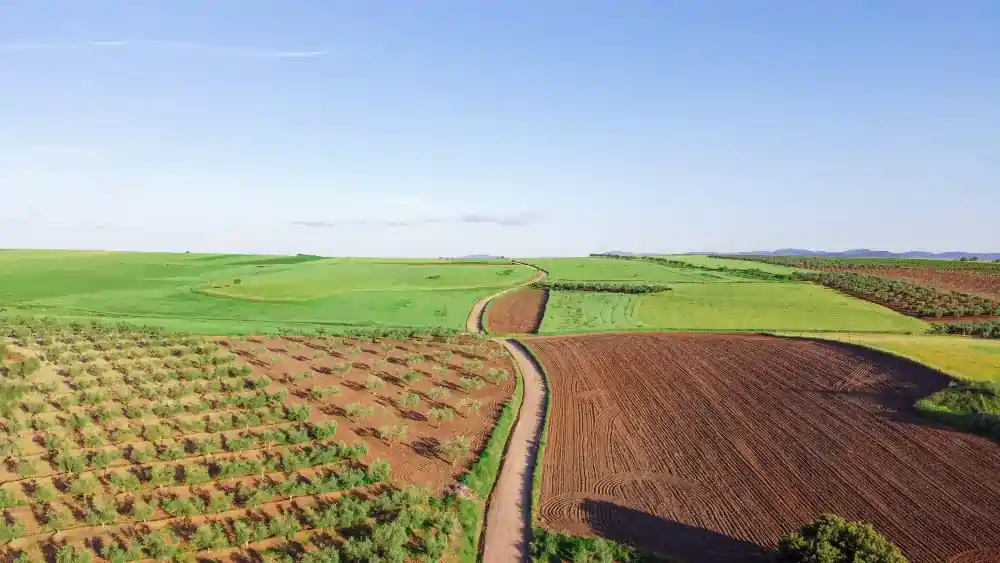
Prices of agricultural land in different states are sold at very different prices based on the quality of the soil, the infrastructure, and closeness to cities. The land close to the areas of urban expansion is usually priced high.
| State / Region | Average Price per Acre | Expanding the agriculture market |
|---|---|---|
| Maharashtra | ₹10 lakh – ₹50 lakh | Strong demand near cities |
| Karnataka | ₹8 lakh – ₹40 lakh | Growing investment interest |
| Rajasthan | ₹4 lakh – ₹20 lakh | Affordable rural land |
| Haryana | ₹20 lakh – ₹70 lakh | High value farmland |
| Telangana | ₹6 lakh – ₹25 lakh | High-value farmland |
𝗣𝗼𝗽𝘂𝗹𝗮𝗿 𝗥𝗲𝗴𝗶𝗼𝗻𝘀 𝘄𝗶𝘁𝗵 𝗙𝗮𝗿𝗺 𝗟𝗮𝗻𝗱 𝗳𝗼𝗿 𝗦𝗮𝗹𝗲 𝗶𝗻 𝗜𝗻𝗱𝗶𝗮
Most investors seek farm land for sale in India in areas where the development of infrastructure is on the rise and land prices are still affordable.
New agricultural tourism locations.
Several regions have attracted attention amongst buyers:
- Rural districts near Pune
- Farmer belts in Rajasthan.
- Hyderabad suburbs in farmland.
- Regions of Haryana and western Uttar Pradesh.
- Rural areas around tourism areas.
These regions present the buyer with potential in farmland as a source of investment and a lifestyle good.
𝗜𝗻𝘃𝗲𝘀𝘁𝗺𝗲𝗻𝘁 𝗣𝗼𝘁𝗲𝗻𝘁𝗶𝗮𝗹 𝗼𝗳 𝗔𝗴𝗿𝗶𝗰𝘂𝗹𝘁𝘂𝗿𝗮𝗹 𝗣𝗹𝗼𝘁𝘀 𝗶𝗻 𝗜𝗻𝗱𝗶𝗮
The value of farmland will increase with time, with the increase being dependent on the enhancement of the surrounding infrastructure or urban development in the rural surroundings. Due to this reason, agricultural plots in India are becoming more seen as a long-term investment.
𝗧𝗵𝗲 𝗺𝗮𝗶𝗻 𝗮𝗱𝘃𝗮𝗻𝘁𝗮𝗴𝗲𝘀 𝗼𝗳 𝗶𝗻𝘃𝗲𝘀𝘁𝗶𝗻𝗴 𝗶𝗻 𝗳𝗮𝗿𝗺𝗹𝗮𝗻𝗱.
Some advantages include:
- Low cost of purchase as compared to urban property.
- The appreciation in the long term.
- Flexible land use opportunities.
- Increasing concern with sustainable agriculture.
Farmland can be used as a complement to the conventional real estate investments by investors in need of diversification.
𝗙𝗮𝗿𝗺𝗹𝗮𝗻𝗱 𝗜𝗻𝘃𝗲𝘀𝘁𝗺𝗲𝗻𝘁 𝗚𝘂𝗶𝗱𝗲 𝗳𝗼𝗿 𝗙𝗶𝗿𝘀𝘁-𝗧𝗶𝗺𝗲 𝗕𝘂𝘆𝗲𝗿𝘀
A systematic farmland investment guide will assist the buyer in making the right choices as well as preventing the mistakes that are usually made.
Gradual process of purchasing farmlands.
𝗦𝘁𝗲𝗽 𝟭: 𝗥𝗲𝘀𝗲𝗮𝗿𝗰𝗵 𝘁𝗵𝗲 𝗹𝗼𝗰𝗮𝘁𝗶𝗼𝗻
Research on the local real estate market, development strategies, and agricultural situations.
𝗦𝘁𝗲𝗽 𝟮: 𝗩𝗲𝗿𝗶𝗳𝘆 𝗹𝗲𝗴𝗮𝗹 𝗱𝗼𝗰𝘂𝗺𝗲𝗻𝘁𝘀
Make sure that the land records are correct and that they belong to the owner.
𝗦𝘁𝗲𝗽 𝟯: 𝗣𝗵𝘆𝘀𝗶𝗰𝗮𝗹𝗹𝘆 𝗶𝗻𝘀𝗽𝗲𝗰𝘁 𝘁𝗵𝗲 𝗽𝗿𝗼𝗽𝗲𝗿𝘁𝘆.
Site visit will be used to confirm the road connectivity, the soil condition, and water availability.
𝗦𝘁𝗲𝗽 𝟰: 𝗟𝗲𝗮𝗿𝗻 𝘁𝗵𝗲 𝗹𝗼𝗰𝗮𝗹 𝗹𝗮𝗻𝗱 𝗹𝗮𝘄𝘀.
India has certain guidelines regarding the purchase of farmland by different states.
𝗦𝘁𝗲𝗽 𝟱: 𝗙𝗶𝗻𝗮𝗹 𝗹𝗲𝗴𝗮𝗹 𝗿𝗲𝗴𝗶𝘀𝘁𝗿𝗮𝘁𝗶𝗼𝗻.
Register the property with the relevant land authority to obtain ownership.
𝗧𝗵𝗲 𝘀𝘁𝗲𝗽𝘀 𝘄𝗶𝗹𝗹 𝗺𝗶𝗻𝗶𝗺𝗶𝘇𝗲 𝘁𝗵𝗲 𝗿𝗶𝘀𝗸𝘀 𝘁𝗵𝗮𝘁 𝗿𝗲𝗹𝗮𝘁𝗲 𝘁𝗼 𝗽𝘂𝗿𝗰𝗵𝗮𝘀𝗶𝗻𝗴 𝗳𝗮𝗿𝗺𝗹𝗮𝗻𝗱.
Purchases of farmland are linked to risks as follows.
Farmland investment may be a rewarding activity, but the buyer must be familiar with the expected challenges.
Possible risks include:
- Poor land registration.
- Zoning restrictions
- Poor development of infrastructure.
- Shortage of water in some areas.
Proper due diligence can be used to mitigate these risks in the assessment of agricultural land opportunities.
Its Future Prospects in Investing in Farmlands.
The future perspective of the farmland investment is healthy because the demand for land is on the rise. The increasing demand for rural property has been enhanced by the increasing interest in the idea of organic farming, rural tourism, and sustainable agriculture.
Farmland opportunities in new areas are likely to be investigated by an increasing number of investors due to infrastructure development and better transportation. These patterns indicate that the land of farms may continue to comprise a significant asset category of Indian real estate.
𝗖𝗼𝗻𝗰𝗹𝘂𝘀𝗶𝗼𝗻
Agricultural land for sale has good potential for investors, farmers, and property buyers with long-term value. Buyers can make well-informed decisions by simply examining ownership documents, learning prices of agricultural land,, and using a well-organized farmland investment guide. The farmland has remained in the spotlight as a form of investment and a way of life, as the demand farm land for sale in India keeps rising. When making an exploration into the agricultural property market, proper research and due diligence are still necessary.
𝗙𝗔𝗤𝗦
The title deed, ownership records, encumbrance certificate, and local land laws should be checked before purchasing agricultural land. Moreover, soil quality, accessibility to the roads, and water supply make the land habitable to farming or investment.
Typical state laws generally determine the individuals who are allowed to purchase land in the agricultural industry. In the majority of the states, farmers are able to purchase the farmland directly. Nevertheless, non-farmers are permitted to purchase land
Prices of farmland depend on several factors. As an example, the location, soil fertility, irrigation facilities, and road connectivity are significant. In addition, the value of land around the expanding cities or highways tends to be higher. 
Yes, farmland is a possible long-term investment since the supply of land is not much, but the demand is always increasing. In the long run, the development of infrastructure and urban sprawl can enhance the worth of farmland. 
The buyers ought to examine some of the key documents, which include the title deed, the encumbrance certificate, land records, and the mutation entries. These papers are confirmation of legal ownership and assist in the assurance of no disputes.