
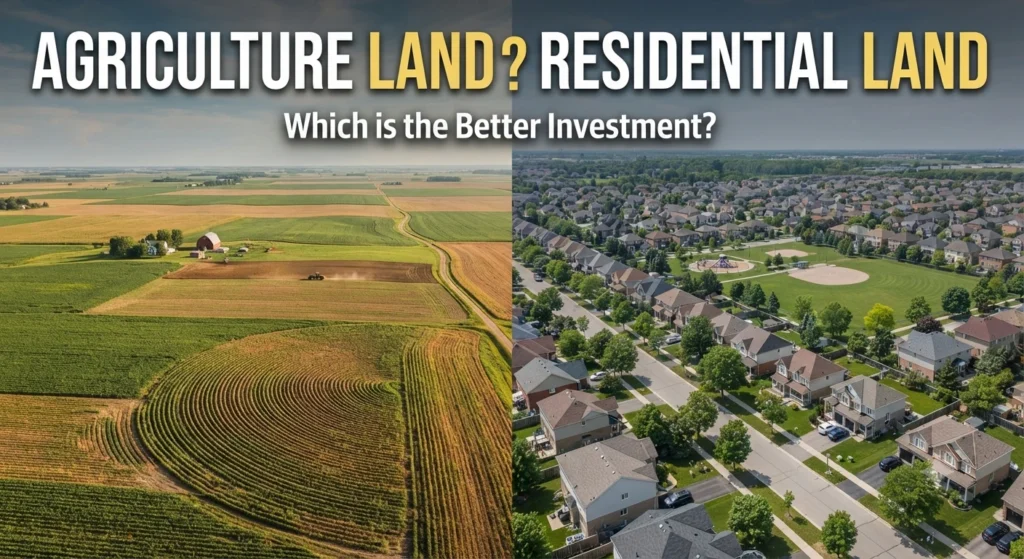
Real estate offers a wide range of investment opportunities, but one of the most common questions among buyers is “Agriculture Land vs Residential Land – which is the better investment?” Both property types have unique advantages, legal requirements, risks, and growth potential. The right choice depends on your financial goals, investment timeline, and intended use of the property.
In this guide, we’ll compare agriculture land and residential land in detail to help you make an informed decision.
What is Agriculture Land?
Agriculture land is property primarily meant for farming, horticulture, livestock, or other agricultural activities. In many Indian states, the use of agricultural land is regulated, and converting it to residential or commercial use often requires approval from the relevant authorities.
Many investors also purchase agricultural land for long-term appreciation, farmhouses (where permitted), organic farming, or weekend retreats.
Common Uses of Agriculture Land
- Crop cultivation
- Organic farming
- Dairy farming
- Horticulture
- Plantation projects
- Farmhouses (subject to local regulations)
- Long-term land investment
What is Residential Land?
Residential land is designated for building homes, villas, apartments, or residential communities. It is generally approved for residential development and is supported by infrastructure such as roads, water supply, electricity, and sewage systems.
Residential plots are popular among homebuyers as well as investors seeking relatively straightforward development opportunities.
Common Uses of Residential Land
- Independent houses
- Villas
- Builder floors
- Residential societies
- Rental properties
- Holiday homes
Agriculture Land vs Residential Land: Key Differences
| Feature | Agriculture Land | Residential Land |
|---|---|---|
| Primary Purpose | Farming and agricultural activities | Residential construction |
| Government Approval | Agricultural use | Residential use |
| Construction | Limited and subject to local laws | Residential construction permitted as per regulations |
| Initial Cost | Often lower in developing areas | Usually higher in urban and suburban areas |
| Infrastructure | May be limited | Better roads, utilities, and civic amenities |
| Liquidity | Can vary depending on location | Generally higher in developed markets |
| Appreciation | Depends on infrastructure and demand | Often driven by residential demand and urban growth |
Investment Cost
Agriculture land is often available at a lower entry price, especially in rural or developing regions. This can make it attractive for investors looking to acquire larger parcels of land.
Residential land, particularly in cities and well-developed suburbs, usually commands a higher price due to existing infrastructure and demand.
Growth Potential
Agriculture Land
Agricultural land may appreciate significantly if nearby infrastructure develops, such as:
- Expressways
- Industrial corridors
- Airports
- Logistics hubs
- Smart city projects
However, appreciation is influenced by local regulations, market demand, and broader economic factors.
Residential Land
Residential land often experiences steady appreciation in locations with:
- Good connectivity
- Employment hubs
- Schools and hospitals
- Shopping centers
- Public transport
- Growing residential demand
Legal Considerations
Before purchasing any land, verify:
- Clear ownership and title
- Encumbrance status
- Land-use classification
- Approved layout (for residential plots)
- Applicable zoning laws
- Local development regulations
For agricultural land, buyers should also understand any restrictions on ownership, land use, or conversion that apply in the relevant state.
Infrastructure Availability
Residential plots generally offer:
- Paved roads
- Electricity
- Water supply
- Sewerage systems
- Internet connectivity
- Public transport access
Agricultural land may have limited infrastructure, especially in remote locations, though this varies widely by region.
Income Potential
Agriculture Land
Possible income sources include:
- Crop production
- Leasing to farmers
- Horticulture
- Dairy farming
- Plantation projects
- Agro-tourism (where permitted)
Income depends on agricultural productivity, market conditions, and compliance with local laws.
Residential Land
Residential land can generate income after development through:
- Rental properties
- Independent homes
- Villas
- Apartments
- Resale after appreciation
Risk Factors
Agriculture Land Risks
- Land-use restrictions
- Conversion approvals
- Water availability
- Weather-related impacts
- Limited infrastructure in some areas
- Lower liquidity in certain locations
Residential Land Risks
- Higher purchase price
- Market fluctuations
- Delays in infrastructure development
- Regulatory compliance for construction
- Local demand affecting resale value
Who Should Invest in Agriculture Land?
Agriculture land may suit investors who:
- Prefer long-term investments
- Are interested in farming or agro-based projects
- Want larger land parcels
- Are comfortable understanding local regulations
- Are investing in emerging growth corridors
Who Should Invest in Residential Land?
Residential land may be suitable for buyers who:
- Plan to build a home
- Want relatively easier resale opportunities
- Prefer developed locations
- Seek rental income after construction
- Are looking for long-term residential investment
Factors to Consider Before Buying Any Land
Before making a purchase, evaluate:
- Location and connectivity
- Future infrastructure projects
- Legal approvals
- Ownership documents
- Budget
- Investment objective
- Development potential
- Local market trends
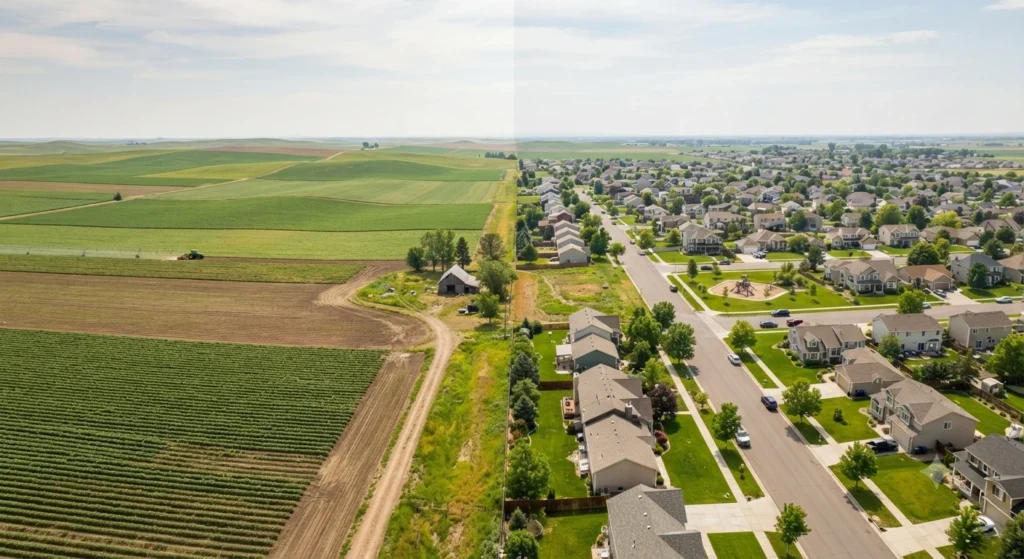
Which Investment is Better?
There is no universal answer because the better option depends on your goals.
Choose agriculture land if you:
- Want lower initial investment
- Have a long investment horizon
- Are interested in agricultural or rural development opportunities
Choose residential land if you:
- Plan to build a home
- Want established infrastructure
- Prefer properties with residential utility and potentially easier resale
Many experienced investors diversify by holding both agricultural and residential land to balance growth opportunities and investment objectives.
Conclusion
The debate between Agriculture Land vs Residential Land ultimately depends on your financial goals, risk tolerance, and intended use. Agricultural land can offer attractive long-term appreciation and opportunities related to farming or rural development, while residential land is generally better suited for housing projects and benefits from established infrastructure.
Before investing, conduct thorough due diligence, verify all legal documents, understand local regulations, and evaluate future development plans. A well-researched property purchase can help you build long-term wealth while reducing investment risks.
Agriculture Land vs. Residential Land: Frequently Asked Questions
Explore the key differences, legalities, and investment benefits of owning farmland versus residential property at Naugaon Farms.